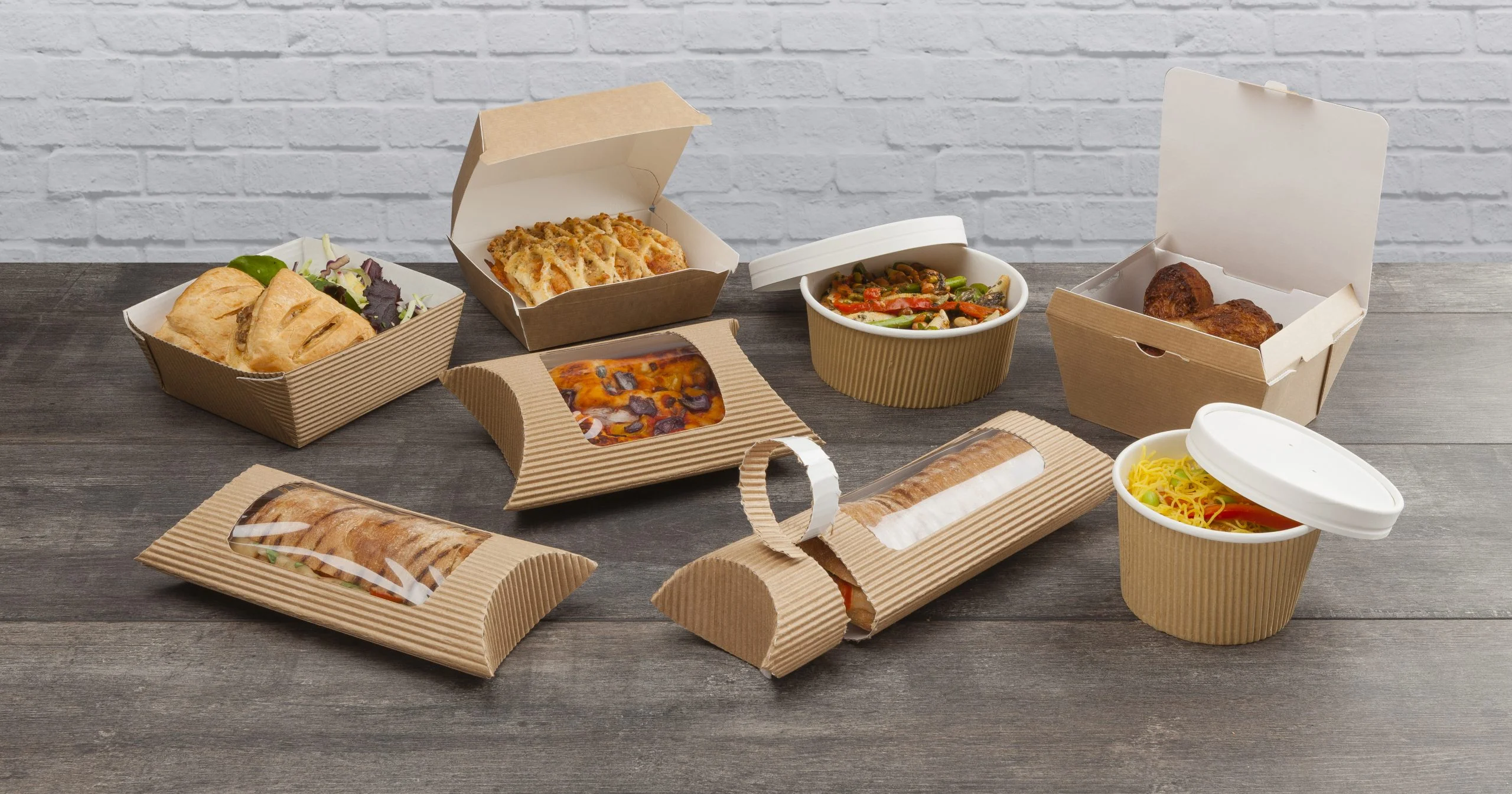
In the competitive food industry, packaging plays an important role in shaping customer experiences. Whether serving burgers, fries, sandwiches, bakery treats, or takeaway snacks, attractive presentations can make everyday meals feel more professional. A carefully selected serving tray not only complements the food but also creates an opportunity to communicate the quality and personality of the business.
For restaurants, cafés, food trucks, and catering services, packaging decisions also influence daily efficiency and purchasing expenses. Maintaining reliable supplies, selecting practical tray dimensions, and developing consistent printed designs can help establishments improve their operations. Bulk purchasing offers an opportunity to manage recurring packaging requirements while maintaining a recognizable appearance across different menu products.
Investing in Custom food tray wholesale allows food businesses to combine practical serving solutions with distinctive branding. By selecting suitable materials, appropriate sizes, and attractive artwork, establishments can create packaging that supports efficient food service while strengthening their professional identity.
Why Wholesale Food Trays Are a Smart Business Investment
Food establishments regularly use serving containers throughout their daily operations.
Maintaining a consistent supply helps employees prepare customer orders without unnecessary interruptions.
Wholesale purchasing can simplify inventory management, particularly for businesses with predictable packaging consumption.
Depending on supplier requirements, larger orders may also offer more favourable pricing per unit compared with smaller purchases.
This approach can benefit busy restaurants, takeaway outlets, food trucks, and catering businesses preparing substantial quantities of meals.
Ordering in bulk may also help maintain consistent tray dimensions, material specifications, and printed artwork across different production batches.
However, businesses should evaluate storage capacity, seasonal demand, and expected consumption before committing to large quantities.
A balanced purchasing strategy helps control packaging expenses without creating unnecessary inventory.
Creative Printing Ideas for Memorable Food Presentation
Personalized serving trays provide an opportunity to introduce recognizable branding directly into everyday dining experiences.
Printed designs can feature company logos, signature colours, decorative illustrations, and distinctive typography.
A contemporary burger restaurant may prefer bold graphics, while a traditional café might choose understated artwork that complements its atmosphere.
Some effective design approaches include:
- Repeating logos for consistent brand visibility.
- Minimalist layouts for premium food presentation.
- Colourful illustrations inspired by signature menu products.
- Seasonal graphics for promotional campaigns.
- Decorative patterns that match existing packaging.
- Short brand messages positioned around the tray.
Artwork placement deserves careful attention because food may cover certain areas during serving.
Businesses should position important branding elements where they are likely to remain visible.
Reviewing digital proofs and physical samples before production helps evaluate print clarity, colour accuracy, and the overall finished appearance.
Choosing Suitable Materials for Different Food Products
Material selection influences both the appearance and practical performance of serving trays.
Paperboard products can vary in thickness, rigidity, surface treatment, and resistance characteristics.
These differences affect how well a tray accommodates specific menu items.
For example, relatively dry bakery products may have different packaging requirements from foods containing sauces, moisture, or substantial amounts of oil.
Businesses should consider portion weight and handling conditions before selecting a particular tray construction.
The finished packaging, including its inks, coatings, and adhesives, should be suitable for the intended food-contact application.
Environmental claims should also be verified rather than assumed. Recyclability and compostability depend on the complete material construction and available local processing facilities.
Requesting material specifications and samples helps establishments compare available options before committing to larger orders.
Selecting Practical Tray Sizes for Your Menu
Food portions vary considerably, making tray dimensions an important purchasing consideration.
A compact container may be appropriate for a small serving of fries, while a larger meal containing several items requires additional capacity.
Selecting suitable dimensions helps maintain a balanced presentation without unnecessary material consumption.
Oversized trays may make portions appear smaller, whereas undersized containers can create handling difficulties.
Businesses should evaluate their most frequently ordered menu items before selecting standard packaging sizes.
Testing samples with actual food portions allows employees to assess capacity, stability, and customer convenience.
Restaurants offering several product categories may benefit from maintaining a practical range of tray dimensions.
Appropriate sizing also supports faster preparation by helping employees select the correct packaging for each order.
Managing Bulk Orders and Packaging Inventory Effectively
Successful wholesale purchasing requires careful planning rather than simply ordering the largest available quantity.
Businesses should monitor typical packaging consumption and review previous purchasing records to estimate future requirements.
Seasonal demand, special promotions, and changes in menu offerings can influence how quickly supplies are used.
For example, a food truck attending several major events may require additional packaging compared with its normal weekly consumption.
Confirming supplier production schedules and delivery arrangements in advance can help reduce unexpected shortages.
When introducing a new printed design, ordering samples before committing to a large production run is particularly useful.
Storage requirements should also be considered to protect packaging from unsuitable conditions.
An organized inventory system supports consistent service while helping businesses avoid unnecessary purchasing expenses.
Improving Customer Experience Through Professional Packaging
Customers appreciate food that is presented neatly and conveniently.
A suitable serving tray helps organize individual food items while making meals easier to handle in appropriate dining environments.
Personalized artwork can further enhance the presentation by creating a recognizable appearance that complements the establishment’s identity.
Consistent packaging is particularly useful for businesses offering multiple menu categories.
When customers encounter familiar logos and colours across trays, takeaway bags, and food boxes, they can more easily associate those products with the same brand.
Attractive packaging may also appear in customer photographs and social media posts, creating additional opportunities for visibility.
However, practical performance should remain a priority.
A successful serving container combines visual appeal with suitable strength, dimensions, and handling convenience.
Combining Food Trays with Complementary Wrapping Materials
A complete food packaging collection often requires more than one type of material.
Restaurants, cafés, and takeaway establishments may need serving trays, food boxes, wrapping paper, takeaway bags, and protective liners to accommodate different products.
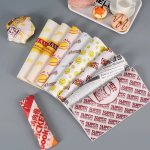
Using custom printed greaseproof paper alongside compatible serving trays can provide additional options for suitable food presentation and tray-lining applications.
These materials may help businesses maintain a coordinated appearance when printed with consistent logos, colours, and decorative patterns.
However, each packaging component should be evaluated according to its individual specifications and intended food-contact conditions.
Businesses should compare available dimensions, resistance properties, printing requirements, and material quality before ordering.
Requesting samples can help confirm compatibility with existing containers and menu products.
A coordinated packaging collection supports professional presentation while simplifying everyday packaging decisions.
Conclusion
Wholesale personalized food trays offer restaurants, cafés, food trucks, and catering businesses an opportunity to combine practical serving solutions with recognizable branding.
By choosing suitable materials, appropriate dimensions, and attractive printed designs, establishments can create packaging that complements their food while supporting efficient daily operations.
Careful bulk purchasing also helps businesses maintain reliable supplies and manage recurring packaging expenses.
When coordinated with complementary wrapping materials, branded serving trays can become an effective part of a professional and memorable customer experience.