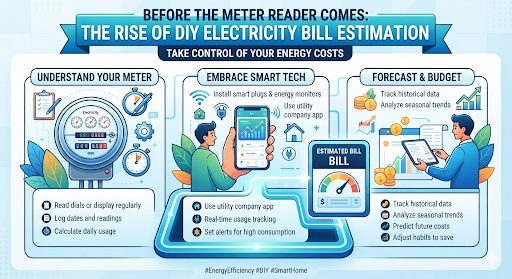
Understanding your upcoming electricity bill can feel like preparing for a surprise exam; however, modern technology allows you to estimate your charges before they arrive. DIY electricity bill estimation has gained traction as consumers seek greater control and insights into their utility expenses. With the introduction of various tools and applications, including electricity bill calculators, estimating your bill has never been easier. This trend not only prepares consumers for their payments but also encourages active management of energy consumption.
How Does an Electricity Bill Calculator Work?
An electricity bill calculator is a digital tool designed to help consumers project their monthly electricity costs based on specific inputs. To use such a calculator effectively, you typically need to input your consumption details, primarily measured in kilowatt-hours (kWh). Key factors influencing the estimate include the number of appliances used, their power ratings, and the duration they remain switched on during the billing period.
For instance, if you know your refrigerator consumes 200 watts and runs for 24 hours a day, simply multiply those numbers to find its daily energy consumption (200 watts x 24 hours = 4,800 watt-hours, or 4.8 kWh). Repeat this for each appliance and add the results to estimate your total monthly consumption. The calculator then uses the applicable tariff rates to convert your kWh usage into an expected cost.
Many calculators also allow customization based on local electricity rates, which can vary significantly depending on market conditions and regional tariffs. Knowing how to navigate these tools can help you make more informed decisions about your energy use, ultimately leading to savings on your electricity bills.
Commonly Made Mistakes in Estimating Electricity Bills
While using an electricity bill calculator can serve as a reliable resource, users often encounter specific pitfalls that may lead to inaccurate estimates. One prevalent mistake is underestimating the operational time of appliances. Many people forget to account for appliances like water heaters or air conditioning units that may operate more frequently during certain seasons.
Another common oversight is miscalculating the wattage of devices. Users may rely on outdated or incorrect voltage ratings. Always refer to the manufacturer’s specifications for precise figures. Furthermore, forgetting to account for any peak load times, where electricity rates might spike, can result in a less accurate estimate.
Lastly, many consumers fail to adjust their input variables over time. Changes in lifestyle, such as addition of new appliances, working from home, or even fluctuating family sizes can all affect energy consumption patterns. Regularly revisiting your estimates and adjusting accordingly ensures more accurate projections and can help you avoid unpleasant surprises when the bill arrives.
Benefits of Estimating Your Electricity Bills
The advantages of DIY electricity bill estimation extend beyond mere knowledge of what to expect during bill payment. Having a clear understanding of projected usage and costs allows consumers to make informed decisions aimed at reducing energy consumption and optimizing usage.
First, by identifying which appliances consume the most power, consumers can adjust usage habits or consider energy-efficient alternatives. For instance, switching to LED bulbs can significantly bring down electricity consumption while providing the same level of illumination.
Second, estimating your bill helps with budgeting. Knowing approximately what you’ll owe each month allows for better financial planning and reduces the stress of unexpectedly high bills. Many households could also benefit from adopting a more proactive approach to energy use by scheduling high-energy tasks during off-peak hours, taking advantage of lower rates. Planning ahead also makes electricity bill pay easier by helping households set aside the required amount before the due date.
Paying through Bajaj Pay
To make managing your electricity bills even easier, options like Bajaj Pay, the Bharat Connect payments platform on Bajaj Finance, allow consumers to pay their electricity bills with zero fees directly through the Bajaj Finance App or website. This platform offers multiple payment modes, ensuring convenience and flexibility.
To use Bajaj Pay, simply follow these steps:
- Enter your consumer ID in the app or on the website.
- Choose the relevant electricity provider from a list of options.
- Review your estimated bill based on inputs provided.
- Confirm the payment and receive an instant receipt.
By using Bajaj Pay, you not only take charge of your bill estimations but also streamline the payment process, ensuring you stay abreast of your financial responsibilities.
Conclusion
The rise of DIY electricity bill estimation tools, complemented by the availability of electricity bill calculators, empowers consumers to better manage their energy expenses. Not only do these tools enable users to anticipate costs, but they also promote energy-saving habits that benefit both households and the environment. For a fee-free payment experience, Bajaj Pay remains an excellent option for efficient and transparent electricity bill payments. By embracing these digital tools, consumers can transform the way they perceive and manage their electricity bills.