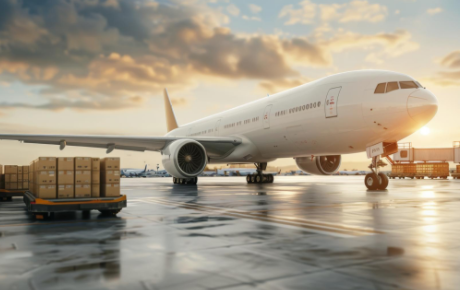
International trade depends on the ability to move products across countries quickly, safely, and reliably. As businesses expand into global markets, transportation speed becomes an important factor in meeting customer expectations and maintaining supply chain efficiency. Air cargo helps address these requirements by reducing transit times, connecting international markets, and supporting the movement of time-sensitive goods. It also enables businesses to respond more effectively to market demands while maintaining smoother import and export operations.
1. Reducing Transit Time for International Shipments
One of the biggest advantages of air freight is its ability to transport goods over long distances within a relatively short period. While sea transportation may take several weeks, air shipments can often reach international destinations within days, depending on the route and service selected.
This speed is particularly valuable for businesses dealing with urgent orders, electronic components, pharmaceuticals, fashion products, and other goods that require timely delivery. Faster transportation also helps importers replenish stock sooner and enables exporters to fulfil overseas orders within tighter deadlines.
2. Connecting Businesses to Global Markets
International trade requires dependable connections between manufacturing centres, distribution hubs, and overseas markets. Air transportation provides access to major commercial destinations through established airline networks and international airports.
This connectivity allows businesses to serve customers in different countries without depending entirely on lengthy ocean routes. It also gives small and medium-sized enterprises opportunities to participate in international trade by accessing faster shipping options for suitable consignments.
3. Improving Shipment Security and Visibility
Efficient international trade requires more than fast transportation. Businesses must also ensure that their goods remain protected and that shipment progress can be monitored throughout transit.
Air freight generally involves structured security screening, controlled cargo handling, and detailed shipment documentation. Tracking facilities provide better visibility into shipment movement, helping businesses coordinate inventory, prepare for incoming deliveries, and communicate more accurately with customers.
4. Simplifying International Shipping Through Professional Coordination
Moving goods between countries involves several interconnected activities, including carrier selection, export documentation, customs procedures, and destination delivery arrangements. Delays in any of these stages can affect the overall shipping schedule.
Working with an experienced Logistics company in India can help businesses coordinate these requirements more effectively. Professional freight management supports smoother communication between carriers, customs authorities, and other parties involved in international transportation.
Proper planning also helps businesses select suitable routes and shipping services according to their delivery priorities and cargo requirements.
Conclusion
Air freight plays an important role in making international trade faster and more efficient. By reducing transit times, improving global connectivity, supporting cargo security, and simplifying shipment coordination, it helps businesses manage international deliveries with greater confidence. Choosing the right air cargo solution can therefore contribute to smoother trade operations and stronger relationships with overseas customers.
AVR Logistics supports international shipping requirements through priority, premium, and economy air freight, air charter, and sea-air services. Its freight forwarding, customs clearance, and shipment tracking capabilities help businesses coordinate international cargo movement through solutions suited to their transportation needs.