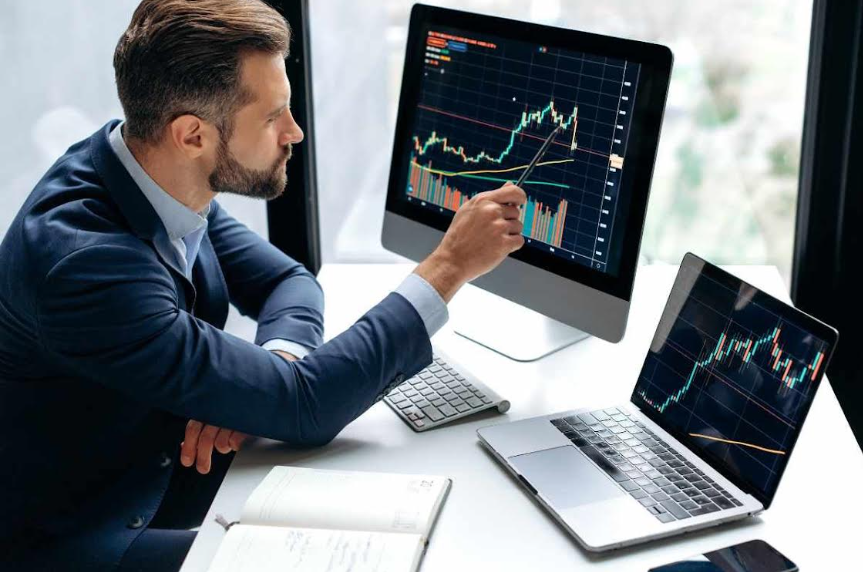
Membership counts often do the work that credentials should. Bangla-language trading groups on Facebook can attract large audiences, and a large audience tends to create an impression of authority for anyone who posts regularly. Within these communities, individuals presenting themselves as successful traders share screenshots of profitable positions, invite followers to join paid signal channels, and promote brokers, usually with little more than their own claims as evidence. Screenshots are a common tool for self-promotion. A screenshot might show one profitable trade while hiding several that lost money. Sometimes the figures come from a demo account, so nobody actually earned anything. The numbers can also be edited to make the result look better than it was. People browsing Facebook have little way of checking. A post claiming a huge profit can collect hundreds of likes and comments without showing any proof that the money was made.
Verification methods exist but are seldom used. Independent tracking services can connect directly to a trading account and publish verified trading statistics, including drawdown, trade frequency, and whether the account is live or demo. Some platforms allow read-only investor access so followers can inspect trade history directly. Some group admins do not require such proof before allowing promotional posts, and promoters may avoid these tools, preferring images that cannot be checked. Financial incentives explain much of the reluctance. Some people running these groups also make money when members sign up with offshore brokers through their referral links. The broker pays them a commission for bringing in new customers. Others charge members to join private Telegram channels, with payments often made through mobile financial services. Under these arrangements, the reputation of a social trader depends less on consistent performance than on the ability to recruit, which encourages bold claims and aggressive marketing.
Track records also tend to disappear when they turn negative. Accounts that suffer major losses may be deleted, channels may be renamed, and promoters may resurface under new identities with fresh screenshots. Members who joined during a winning streak may never learn how the earlier accounts ended. That cycle allows individuals to rebuild credibility repeatedly, while newer members encounter only the latest success story.
Legal context in Bangladesh makes the situation more precarious. Bangladesh restricts money transfers abroad for speculative trading, so sending funds to an offshore broker can bring legal trouble. There is also the problem of dealing with a company based in another country when something goes wrong. People who pay promoters through informal channels may not even have a proper receipt. If the broker refuses to release their money or a paid signal group vanishes, they may have no practical way to get it back.
Some communities have begun introducing safeguards. In some groups, moderators remove screenshots of supposed profits when there is nothing to verify them. They also ask members to be upfront about affiliate links and take down posts that promise guaranteed earnings. Members who have been trading for years may ask promoters to share verified account records or allow read-only access so others can check the results. Promoters who cannot back up their claims often struggle to answer those requests. These efforts remain uneven across groups operating online.
Judging any social trader in this environment calls for skepticism by default. A confident promoter with thousands of followers and convincing screenshots may still have a poor trading record. None of those things shows how much money they have lost or how carefully they manage risk. In groups where bringing in new members matters more than showing real results, the people making the biggest claims often get the most attention.