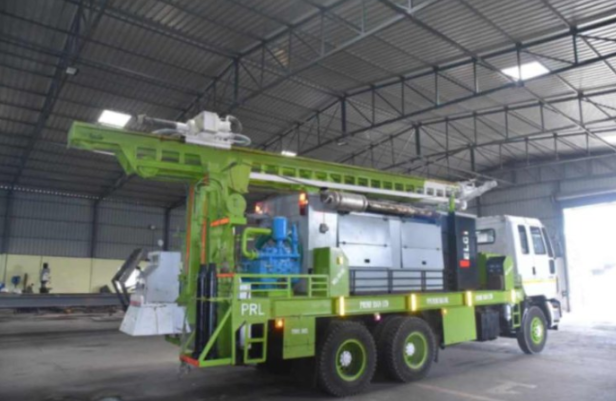
In mining, efficient blasting starts with accurate drilling and proper equipment selection. Mining drilling rigs help create blast holes according to planned depths, spacing, and angles, supporting controlled rock fragmentation and smoother material removal. Choosing a reliable rig company is important because equipment performance affects drilling consistency, site productivity, and operating costs. By matching the rig to ground conditions and project requirements, mining teams can prepare blast holes more effectively and maintain a steady workflow.
Creating Accurate Blast Hole Patterns
Blast hole drilling follows a plan based on bench height, rock characteristics, hole spacing, depth, and angle. A suitable rig helps operators drill holes to specified dimensions and positions. When holes deviate from the plan, blasting may produce oversized fragments or uneven breakage.
Consistent drilling supports predictable fragmentation, helping excavators load material and haul trucks transport it with fewer interruptions. Qualified personnel and planning remain essential.
Matching the Rig to Rock Conditions
Different formations place different demands on drilling equipment. Rotary methods are often suitable for softer or medium-hard formations, while down-the-hole systems can work well in harder rock. The right choice depends on geology, hole diameter, required depth, and site practices.
Operators should review drilling method, compressor capacity, mobility, and maintenance needs. A portable drilling rig for water well projects serves a different purpose, so equipment should match the intended application.
Improving Production and Site Movement
A rig’s capacity affects how quickly a planned bench can be prepared. Suitable feed systems, stable positioning, and efficient drill rod handling can reduce delays between holes. Crawler-mounted rigs are useful where rough ground and movement across mining benches matter.
The machine must fit access routes, working space, and distances between holes. Matching equipment to the production schedule helps teams coordinate drilling with blasting, excavation, and hauling.
Supporting Safety and Dust Management
Rock drilling generates dust, noise, vibration, and cuttings. Dust collection or suppression systems can help control airborne particles. Operators should follow site rules, use required protective equipment, and complete inspections and maintenance according to manufacturer instructions. Stable positioning, clear communication, trained personnel, and exclusion zones during blasting all contribute to safer work. Equipment cannot guarantee safety without disciplined procedures.
Maintenance and Total Operating Costs
Efficient drilling depends on more than initial penetration speed. Worn bits, damaged rods, blocked filters, or poorly maintained systems can reduce performance and cause downtime. Planned servicing, suitable consumables, and access to replacement parts help keep equipment available.
Clear records help supervisors identify delays and schedule maintenance before faults disrupt production further. Buyers should compare fuel use, component life, service support, and operating conditions alongside purchase price. Evaluating total ownership costs gives mining businesses a clearer view of long-term value.
Conclusion
Mining drilling rigs improve blast hole drilling through accurate hole placement, suitable drilling methods, reliable performance, and easier site movement. Selecting equipment that matches rock conditions and production requirements supports consistent results. Partnering with a rig company helps buyers evaluate suitable machinery while prioritising maintenance, operational efficiency, and safe drilling practices.
Choosing the right drilling equipment can help mining teams improve productivity, maintain operational efficiency, and meet project demands. Prime Rigs manufactures and exports drilling equipment for water well, mining, construction, geological survey, and other specialised applications. Their catalogue includes mining and blast hole rigs, water well drilling rigs, construction rigs, portable equipment, and drilling accessories. Explore the available models and technical specifications to identify equipment that aligns with your project requirements, site conditions, operational priorities, and budget.