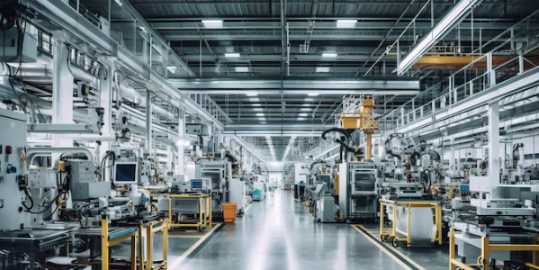
Industrial automation has become an important part of modern manufacturing, helping businesses improve production speed, maintain consistency, and manage complex operations. However, successful automation in the industry depends on much more than installing advanced machines. It requires skilled professionals, proper planning, reliable systems, regular maintenance, and a clear understanding of business requirements. Without these elements, even sophisticated machinery may fail to deliver the expected results.
Advanced Machinery Is Only One Part of Automation
Modern industrial machines can perform repetitive tasks, monitor production activities, and reduce manual effort. However, their performance depends on how effectively they are integrated into existing operations.
Businesses should consider several important factors before investing in automation:
- Production Requirements: Machinery should match the actual production volume, product specifications, and operational goals.
- System Compatibility: New equipment must work smoothly with existing machinery, software, and production processes.
- Operational Planning: Companies need a clear implementation strategy to avoid unnecessary delays and workflow interruptions.
- Performance Monitoring: Regular monitoring helps identify inefficiencies and maintain consistent production quality.
Choosing equipment without understanding these requirements can create additional expenses instead of improving productivity.
Skilled Employees Make Automation More Effective
Automation does not eliminate the need for human expertise. Instead, it changes the responsibilities of employees and increases the importance of technical knowledge. Workers must understand how automated systems operate, identify potential problems, and respond to unexpected situations.
Some important skills include:
- Technical Understanding: Employees should know how to operate machinery, interpret system alerts, and follow operating instructions.
- Troubleshooting Abilities: Trained workers can identify performance issues and take appropriate corrective measures.
- Safety Awareness: Industrial employees must understand equipment safety procedures and emergency protocols.
- Continuous Learning: Regular training helps workers adapt to changing technologies and updated production methods.
When businesses invest in employee development, they can achieve better results from their automation investments.
Equipment Quality Influences Long-Term Performance
The quality of industrial equipment directly affects production efficiency, operational reliability, and maintenance expenses. Working with a reliable industrial equipment manufacturer UAE can help companies understand their machinery requirements and identify suitable equipment for different industrial applications.
Important considerations include:
- Build Quality: Durable equipment can handle demanding industrial conditions and support consistent operations.
- Technical Specifications: Machinery should meet the required capacity, operating conditions, and production standards.
- Maintenance Requirements: Businesses should understand servicing schedules, replacement components, and maintenance costs before purchasing equipment.
- Manufacturer Support: Technical assistance and product guidance can help companies manage installation and operational requirements.
These considerations help businesses make practical equipment decisions instead of focusing only on advanced features.
Proper Integration Keeps Industrial Operations Connected
Industrial automation works best when different machines, software platforms, and production systems communicate effectively. Poor integration can create delays, inconsistent information, and unnecessary manual intervention.
For example, a manufacturing facility may use automated production lines, quality inspection equipment, inventory systems, and monitoring software. If these systems operate independently, employees may struggle to coordinate activities.
A well-integrated setup should focus on:
- System Communication: Different machines and software should exchange relevant operational information.
- Workflow Coordination: Connected systems help maintain a smoother movement of materials and products across production stages.
- Data Accuracy: Reliable information allows managers to monitor production activities and identify operational concerns.
- Process Flexibility: Integrated systems make it easier to adjust workflows when production requirements change.
Businesses should evaluate integration requirements before purchasing new machinery to avoid compatibility problems later.
Maintenance and Technical Support Protect Productivity
Even advanced automated equipment experiences wear and tear. A planned maintenance approach helps businesses reduce unexpected breakdowns and maintain equipment performance.
Companies should prioritise the following activities:
- Scheduled Inspections: Routine checks help identify damaged components, unusual vibrations, and other warning signs.
- Preventive Maintenance: Regular servicing reduces the possibility of sudden equipment failures.
- Spare Parts Availability: Essential replacement components should be accessible to minimise downtime.
- Technical Assistance: Access to experienced technicians supports faster troubleshooting and equipment repairs.
Businesses working with an experienced industrial equipment manufacturer UAE should also understand the technical support and maintenance assistance available after purchasing equipment.
Automation Requires Careful Financial Planning
Installation, employee training, system integration, maintenance, and software updates can all influence the total investment. Companies should consider the complete cost of ownership rather than evaluating equipment through its purchase price alone.
A practical financial approach includes:
- Initial Investment: Calculate machinery, installation, transportation, and integration expenses.
- Operating Costs: Consider electricity consumption, routine servicing, software requirements, and replacement components.
- Productivity Benefits: Evaluate whether automation can reduce production delays, material wastage, and repetitive manual activities.
- Long-Term Value: Compare expected equipment performance with its maintenance requirements and operational lifespan.
Careful financial planning helps businesses select automation solutions that support realistic production goals.
Workplace Safety Must Remain a Priority
Automated machinery can improve workplace conditions by reducing direct human involvement in certain hazardous or repetitive activities. However, automation also introduces safety responsibilities that businesses cannot ignore.
Employees and management teams must understand how automated systems behave during normal operations and unexpected situations.
Essential safety measures include:
- Safety Training: Employees should receive instructions on equipment handling, emergency procedures, and workplace precautions.
- Protective Systems: Appropriate guards, sensors, emergency stops, and safety controls should be installed and maintained.
- Risk Assessments: Regular evaluations help identify potential hazards around automated equipment.
- Clear Operating Procedures: Documented instructions help employees perform their responsibilities consistently and safely.
A responsible automation strategy considers employee safety alongside production efficiency.
Conclusion
Industrial automation delivers meaningful results when machinery, skilled employees, reliable integration, maintenance, and safety measures work together. Advanced equipment alone cannot guarantee productivity or operational success. Businesses must focus on the complete production environment and make informed decisions about technology investments.
Effective automation in the industry requires continuous improvement, while choosing a dependable industrial equipment manufacturer UAE can support better equipment selection and long-term performance. Dynamic Industrial supports industrial requirements through its equipment and industry-focused solutions. They help businesses explore suitable industrial equipment options according to their operational needs. Check out Dynamic Industrial to learn more about their offerings and discover equipment solutions for industrial applications.