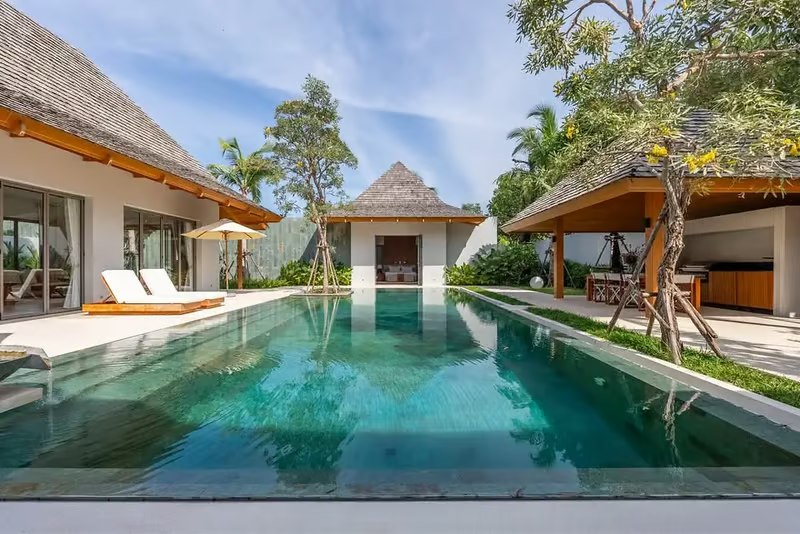
Owning a luxury villa in Phuket is an attractive prospect for property investors, holiday homeowners, and people seeking a tropical lifestyle. From private swimming pools and landscaped gardens to spacious interiors and stunning sea views, luxury villas offer comfort, privacy, and exclusivity.
However, the purchase price is only part of the financial commitment. Maintaining a luxury property in a tropical destination involves ongoing expenses that can significantly affect your ownership budget and investment returns.
Whether you are considering a private holiday home or exploring developments such as Larimar Villa Phuket, understanding these hidden costs before buying can help you make a more informed property investment decision.
1. Property Maintenance and Repairs
Luxury Phuket villas often feature premium materials, sophisticated interiors, outdoor living spaces, and specialised equipment. While these features enhance the property’s appeal, they also require regular maintenance.
In Phuket, the tropical climate can accelerate wear and tear. High humidity, heavy rainfall, intense sunlight, and salty coastal air can affect building materials, outdoor furniture, metal fixtures, and electrical systems.
Common maintenance expenses include:
- Air conditioning servicing and filter replacement
- Roof inspections and waterproofing
- Plumbing repairs and electrical maintenance
- Painting, sealing, and exterior cleaning
- Pest control and moisture prevention
Villas near the coast may require additional attention to prevent corrosion and weather-related damage.
How to plan: Request a property inspection before purchasing and ask for maintenance records if the villa is an existing property. Establish an annual maintenance budget based on the property’s age, size, location, and construction quality.
2. Swimming Pool and Garden Maintenance
A private swimming pool and landscaped garden are among the most desirable features of luxury villas in Phuket. However, they create recurring costs that owners should include in their financial planning.
Swimming pools require regular cleaning, water treatment, filtration system maintenance, and occasional equipment repairs. Phuket’s warm weather and seasonal rainfall can also affect water quality and increase cleaning requirements.
Landscaped gardens need lawn care, pruning, irrigation, fertilisation, and pest management. Tropical plants may grow quickly, making professional gardening services necessary throughout the year.
For a luxury property with extensive outdoor areas, these expenses can add up over time.
How to plan: Before buying, ask whether pool cleaning and gardening are included in the property’s management package. If not, obtain quotations from local service providers and confirm how frequently maintenance visits are required.
3. Electricity, Water, and Air Conditioning Bills
Utility expenses are another important consideration when owning luxury villas in Phuket. Large properties with multiple bedrooms, private pools, outdoor lighting, and extensive air conditioning systems can consume substantial amounts of electricity.
Air conditioning is particularly important in Phuket’s hot and humid climate. Leaving cooling systems running in unused rooms can increase monthly bills, especially when a villa remains occupied for extended periods.
Other utility expenses may include water consumption, internet subscriptions, security systems, waste collection, and backup power equipment maintenance.
Properties with additional facilities, such as home cinemas, elevators, or extensive outdoor lighting, may have higher operating costs.
How to plan: Ask the seller or developer for available utility records. Consider energy-efficient appliances, programmable thermostats, solar energy where appropriate, and regular air conditioning servicing to improve efficiency.
4. Property Management Fees for Overseas Owners
Not every luxury villa owner lives in Phuket full-time. International buyers may need a local property management company to oversee the property while they are abroad.
Property management services can include routine inspections, cleaning, maintenance coordination, bill payments, key management, and assistance with repairs. Depending on the agreement, some companies may also provide guest services and rental management.
These services offer convenience, but they come at a cost. Additional charges may apply for emergency callouts, deep cleaning, maintenance supervision, or services outside the standard management package.
For owners considering Larimar Villa Phuket as a holiday home or investment property, understanding the scope of management services is particularly important.
How to plan: Compare several management proposals and check what each fee covers. Confirm whether charges are fixed, calculated as a percentage of rental income, or billed separately for individual services.
5. Insurance and Unexpected Property Damage
Property insurance is another expense that should not be overlooked when purchasing a luxury villa in Phuket.
Depending on the policy, insurance may cover damage to the building, selected contents, fire-related incidents, and certain weather-related events. However, exclusions, deductibles, and coverage limits vary between insurers.
Phuket’s seasonal rainfall and tropical weather make it important to understand how a policy treats flooding, storm damage, water leaks, and other relevant risks.
Owners who rent out their villas may also need appropriate liability or rental-related coverage, depending on their activities and insurer requirements.
How to plan: Obtain insurance quotations before completing your purchase. Read the policy carefully, confirm the insured property’s value, and check exclusions rather than assuming every type of damage is covered.
6. Common Area Fees and Estate Management Charges
Some luxury villas are located within managed developments or private residential communities. These properties may have shared facilities, landscaped communal areas, private roads, security services, or other amenities.
Owners may be required to contribute to the maintenance of these shared facilities through estate management fees, common area charges, or other contractual payments.
The amount depends on the development’s arrangements, the facilities provided, and the applicable ownership or management agreements.
For buyers researching the Luxury Larimar Villa Phuket market, it is worth checking whether a particular property has shared facilities and what financial obligations accompany ownership.
How to plan: Request a written breakdown of recurring community charges. Ask whether fees are fixed or subject to revision and whether major repairs or improvements can result in additional contributions.
7. Property Taxes and Legal Expenses
Property ownership in Thailand can involve taxes, registration costs, and legal expenses. The applicable charges depend on the property type, ownership structure, transaction, and circumstances of the owner.
For example, Thailand’s land and building tax may apply to qualifying property holdings. The treatment can differ depending on whether a property is used as a primary residence, another residence, or for commercial purposes.
Buyers should also consider legal due diligence, contract reviews, title verification, and professional advice regarding ownership arrangements.
Foreign buyers need particular care because Thai law distinguishes between ownership of buildings, land ownership, condominium ownership, and leasehold arrangements. Foreign nationals generally cannot directly own land in Thailand, subject to limited statutory exceptions.
How to plan: Engage an independent Thai property lawyer before signing a purchase agreement. Confirm the title, permitted use, ownership structure, applicable taxes, and transaction costs specific to your circumstances.
8. Rental Management Costs and Vacancy Periods
Some luxury villa owners intend to generate rental income when they are not using their property. While holiday rentals may provide an income opportunity, gross rental revenue does not equal profit.
Expenses may include guest cleaning, linen replacement, marketing, booking platform commissions, management fees, utilities, repairs, and consumables. There may also be periods when the property remains vacant.
Rental demand can vary according to season, location, competition, property condition, and travel trends. Owners should also verify the rules governing short-term accommodation before advertising a villa for rent.
When evaluating a Phuket Larimar Villa or another luxury property, buyers should assess realistic net income rather than relying solely on projected occupancy rates.
How to plan: Prepare a conservative financial forecast that includes operating expenses, vacancy periods, repairs, management fees, and applicable taxes. Verify rental permissions and licensing requirements before relying on holiday rental income.
9. Renovations, Interior Upgrades, and Replacement Costs
Even a beautifully finished luxury villa may require upgrades over time. Furniture, appliances, outdoor decking, pool equipment, and interior finishes gradually deteriorate through regular use and exposure to the tropical climate.
Owners may also choose to renovate kitchens, refresh bathrooms, improve energy efficiency, or update furnishings to maintain the property’s appeal.
These expenses can be particularly significant for large villas with premium materials and bespoke interiors.
How to plan: Inspect the property’s fixtures and equipment before purchasing. Ask about warranties, replacement schedules, and the availability of specialist maintenance services. Set aside a separate reserve for major replacements rather than treating every expense as an unexpected emergency.