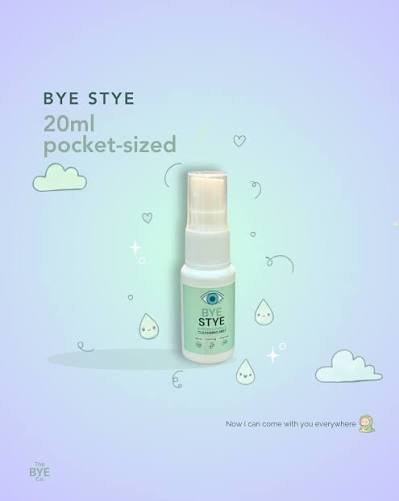
Hypochlorous spray has become an important product for clinics, beauty businesses, salons, and specialist retailers seeking practical hygiene solutions. As demand for convenient skin cleansing and surface care products grows, trade purchasing offers businesses an opportunity to manage stock levels and control operating costs. Understanding hypochlorous spray wholesale UK pricing helps buyers compare suppliers, assess product quality, and plan regular orders more effectively. Wholesale prices can vary according to bottle size, order volume, formulation, packaging, and delivery arrangements. A clear understanding of these factors supports better purchasing decisions while helping businesses select suitable products for their intended applications and customer requirements.
What Is Hypochlorous Spray?
Hypochlorous acid (HOCl) is a substance produced naturally by the human immune system as part of its defence against microorganisms. Commercial hypochlorous sprays contain a carefully prepared solution of this compound, usually made through an electrochemical process involving water and salt. Depending on the formulation, concentration, pH, and product authorisation, hypochlorous sprays may be designed for skin cleansing, personal care, or specific hygiene applications. Products are not automatically interchangeable, so clinics and retailers should review the intended use, manufacturer instructions, and applicable regulatory requirements before placing a wholesale order.
Understanding Hypochlorous Spray Wholesale UK Pricing
Wholesale pricing generally depends on the quantity purchased and the supplier’s product range. Smaller orders may carry a higher cost per bottle, while larger quantities can offer lower unit prices. However, the lowest quoted price does not always represent the best overall value. Packaging quality, formulation stability, shelf life, delivery charges, and supplier reliability also affect the total purchasing cost. Businesses researching hypochlorous spray wholesale UK suppliers should request a clear trade price list that includes minimum order quantities, available bottle sizes, volume discounts, VAT where applicable, and delivery terms. Comparing these details provides a more accurate picture of the actual cost.
Key Factors That Influence Trade Prices
Several practical factors can influence the price of hypochlorous spray purchased for commercial use.
- Order quantity: Larger orders may qualify for discounted unit prices, depending on the supplier’s pricing structure.
- Bottle size: Different volumes affect packaging costs, storage requirements, and the number of units needed for regular use.
- Formulation: Concentration, pH, production methods, and intended applications can influence manufacturing costs.
- Packaging and labelling: Spray mechanisms, protective containers, product information, and retail-ready presentation may affect the final price.
- Shelf life and storage: Stability requirements can influence stock management and the frequency of replenishment.
- Shipping and taxes: Delivery fees, applicable VAT, and any additional handling charges should be included when calculating the total cost.
Reviewing these factors helps businesses compare quotations fairly instead of relying solely on the headline price.
Trade Pricing for Clinics and Healthcare Settings
Clinics require products that meet the needs of their particular environment and intended applications. Purchasing decisions may involve treatment rooms, reception areas, staff facilities, or suitable personal care applications. Before ordering, clinic managers should confirm whether a spray is intended for skin, surfaces, or another specific use. A product described as a skin spray should not automatically be treated as a medical instrument disinfectant or an approved healthcare surface disinfectant. Trade buyers should check the product’s instructions, safety documentation, relevant authorisations, and compatibility with the intended application. Consistent product specifications also help maintain reliable purchasing standards across multiple rooms or locations.
Wholesale Opportunities for Shops and Retailers
Retailers can use wholesale purchasing to maintain stock availability and establish a pricing structure that supports sustainable margins. Beauty shops, pharmacies, skincare retailers, and specialist online stores may consider hypochlorous spray where the product suits the existing customer base and complies with applicable sales requirements. Product presentation, clear labelling, packaging quality, and accessible usage instructions can influence purchasing decisions. Retail buyers should also examine the supplier’s recommended retail price, where available, and calculate the expected gross margin after accounting for delivery, packaging, payment processing, and other operating expenses. Smaller initial orders can help assess customer demand before a larger stock commitment is made.
How to Calculate the True Cost per Bottle
A reliable cost comparison includes every expense associated with acquiring stock. For example, an order containing 100 bottles priced at £2.50 each has a product cost of £250. If delivery and handling add £25, the total cost becomes £275 before any applicable VAT or other charges. The effective cost is therefore £2.75 per bottle before those additional expenses. This simple calculation makes supplier quotations easier to compare and helps retailers establish suitable selling prices. For clinics, the same method supports budgeting and purchasing forecasts. Actual costs will depend on the quoted terms, order size, and any applicable taxes.
Questions to Ask Before Placing a Wholesale Order
Before committing to a supplier, trade buyers should gather enough information to assess product suitability, cost, and reliability. Important questions include:
- What is the minimum order quantity?
- Are volume discounts available for repeat orders?
- Which bottle sizes and formulations are offered?
- What is the product’s shelf life under the recommended storage conditions?
- Is technical documentation or a safety data sheet available where required?
- What evidence supports the stated product claims and intended uses?
- Are delivery times, shipping charges, and return conditions clearly explained?
- Can the supplier maintain consistent product specifications for future orders?
Clear answers reduce purchasing uncertainty and make ongoing stock management easier.
Storage, Safety, and Product Compliance
Hypochlorous solutions can be sensitive to storage conditions, light, temperature, and packaging quality. Buyers should follow the manufacturer’s storage instructions and check expiry dates when stock arrives. Stock rotation using a first-expiring, first-out approach can help reduce waste, particularly when purchasing in bulk. Product claims also require careful attention. In the UK, products marketed for cosmetic, biocidal, or medical purposes may fall under different regulatory frameworks depending on their intended purpose and claims. Clinics and retailers should verify the relevant requirements rather than assuming that every hypochlorous spray is approved for every application. Appropriate documentation and accurate product descriptions support responsible purchasing and customer confidence.
Planning Repeat Orders and Managing Stock
A practical stock plan balances purchasing savings with product turnover and shelf life. Businesses with steady demand may benefit from scheduled replenishment, while new retailers may prefer smaller orders until sales patterns become clearer. Monthly usage, supplier lead times, storage capacity, and expiry dates should all inform order quantities. Clinics can estimate consumption from routine activities, while retailers can use sales records to identify popular bottle sizes and seasonal changes in demand. Maintaining a simple stock sheet with purchase dates, batch numbers, quantities, and expiry dates improves inventory control. Regular reviews can also reveal whether a larger wholesale order would genuinely reduce costs without creating excess stock.
Why the bye co. Is Worth Considering for Hypochlorous Spray
For clinics, retailers, and other trade buyers, the bye co. offers a brand to consider when researching hypochlorous spray products and potential purchasing options. Assessing the available range alongside product specifications, intended applications, packaging, and trade terms can help businesses determine whether a product fits operational requirements. Before placing an order, buyers should confirm current wholesale pricing, minimum quantities, delivery arrangements, and product documentation directly with the supplier. A careful comparison of quality, compliance, and total cost provides a stronger basis for long-term purchasing decisions. By prioritising transparent information and practical suitability, businesses can approach hypochlorous spray procurement with greater confidence and clearer budget expectations.